


Insomnia and anxiety are common problems. They affect the quality of life for many people. About 30% of the adult population suffers from insomnia . And 20% of adults with insomnia also have anxiety .
There are holistic solutions to these problems. They can help combat insomnia and anxiety . Natural treatment is one of them.
Key Points
- Learn 5 holistic strategies to combat insomnia and anxiety.
- Discover how natural treatments for insomnia and anxiety can improve sleep quality.
- Understand how holistic solutions for insomnia and anxiety can help reduce anxiety symptoms and improve mental health .
- Discover strategies to create an environment conducive to sleep and reduce anxiety.
- Learn about the importance of diet and regular exercise for improving sleep quality.
Understanding Insomnia and Anxiety

Insomnia and anxiety are mental health problems that affect many people. 18.6 million Brazilians suffer from anxiety, which is 9.3% of the population. Understanding these problems is essential to finding ways to combat them.
Problems at work, financial issues, and personal conflicts are common causes of nighttime anxiety. People with anxiety disorders are also more likely to suffer from it.
Definition and Causes
Nighttime anxiety makes you feel restless and worried. This greatly affects daily life. If left untreated, it can cause chronic insomnia and depression.
Impacts on Mental Health
Insomnia and anxiety greatly affect mental health . They can cause difficulty falling asleep and waking up. In addition, they can bring physical symptoms, such as a rapid heartbeat.
The Relationship Between Sleep and Anxiety
The relationship between sleep and anxiety is complex. Not sleeping well can increase the risk of heart disease. Relaxation techniques, such as meditation , can help control anxiety and improve sleep.
Holistic Approaches in Healthcare

Holistic approaches to health focus on physical, emotional, and mental well-being. They include practices such as meditation , yoga , and alternative therapies . These help to reduce stress and anxiety, improving sleep.
Understanding that holistic approaches don't just treat symptoms. They view the person as a whole. They consider physical, emotional, social, spiritual, and mental aspects.
What is a Holistic Solution?
A holistic approach treats health in an integral way. It includes practices such as meditation , yoga , and alternative therapies .
Benefits of Holistic Practices
Holistic practices bring many health benefits. They reduce stress and anxiety. They improve sleep. They increase flexibility and strength. They strengthen the immune system.
Furthermore, they help prevent diseases and promote a healthy lifestyle. It's crucial to remember that holistic solutions should be personalized. It's important to consult a healthcare professional before starting.
Relaxation Techniques to Improve Sleep

Learning to relax is essential for better sleep. Meditation and mindfulness help reduce stress and anxiety, leading to more restful sleep.
Breathing exercises and yoga are also important. They relax the body and mind. These practices can be done every day to improve sleep.
Meditation and Mindfulness
Meditation and mindfulness reduce stress and anxiety. This improves sleep. Practicing them regularly helps you relax and sleep better.
Breathing Exercises
Breathing exercises relax the body and mind. Deep, conscious breathing reduces anxiety. This helps you sleep better.
Yoga and Stretching
Yoga and stretching relax muscles. They prepare the body for sleep. Practicing yoga regularly improves sleep.
Using these relaxation techniques improves sleep. This leads to a healthier life. Regular practice is crucial to see the benefits.
The Importance of Nutrition

Nutrition is very important for a good night's sleep. The right foods help you sleep peacefully, while the wrong foods can make you wake up feeling unwell.
Eating fruits, vegetables, and whole grains helps a lot. Avoiding caffeine and alcohol is also essential. They can disrupt sleep.
Foods that Promote Sleep
- Fruits: such as bananas, which are rich in potassium and can help relax muscles.
- Vegetables: such as spinach, which is rich in magnesium and can help reduce stress.
- Whole grains, such as oats, which are rich in fiber and can help regulate sleep.
In addition, natural supplements like valerian and lemon balm can also help. They can improve sleep.
A balanced diet is key to a good night's sleep. By eating well and avoiding stimulants , you wake up more rested and feel more alive.
Aromatherapy as a Natural Solution
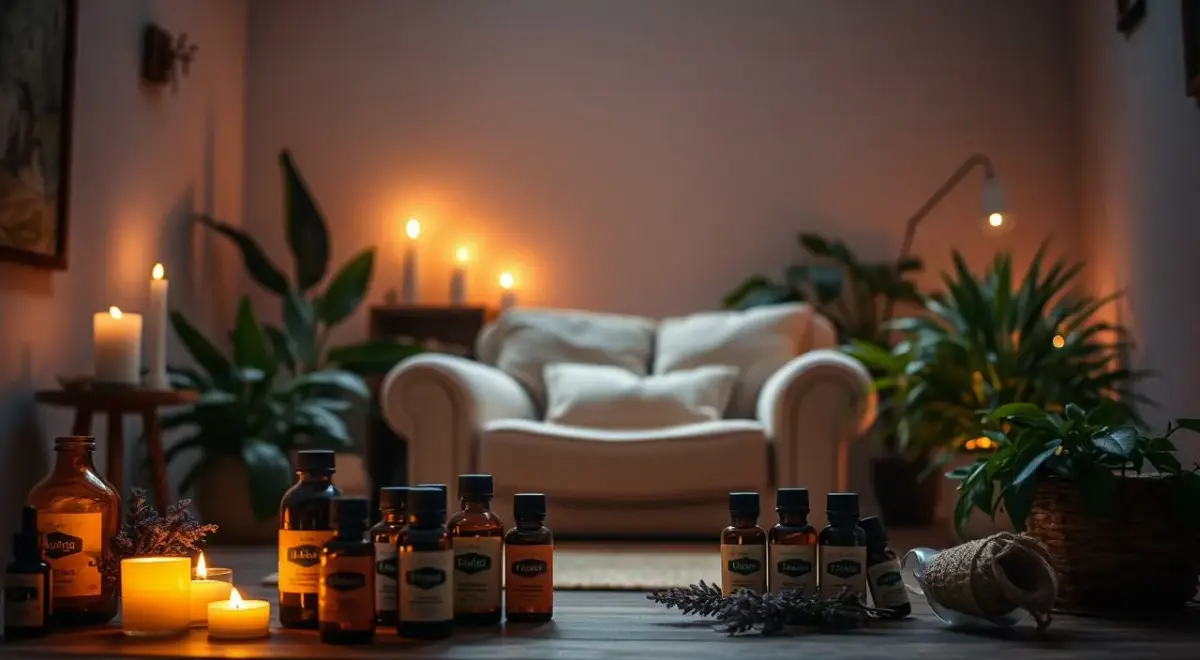
Aromatherapy uses essential oils to help relax and improve well-being. It has a 6,000-year history. In Ancient Egypt, it was used to care for health and tranquility.
The most commonly used essential oils for relaxation are:
- Lavender
- Chamomile
- Geranium
These essential oils can be inhaled, applied to the skin, or added to hot baths. Aromatherapy can also be used with meditation and yoga. This helps to further relax.
Aromatherapy is a natural and effective way to relax and reduce stress. With its long history and proven benefits, it's great for improving daily life.
Creating a Sleep-Promoting Environment
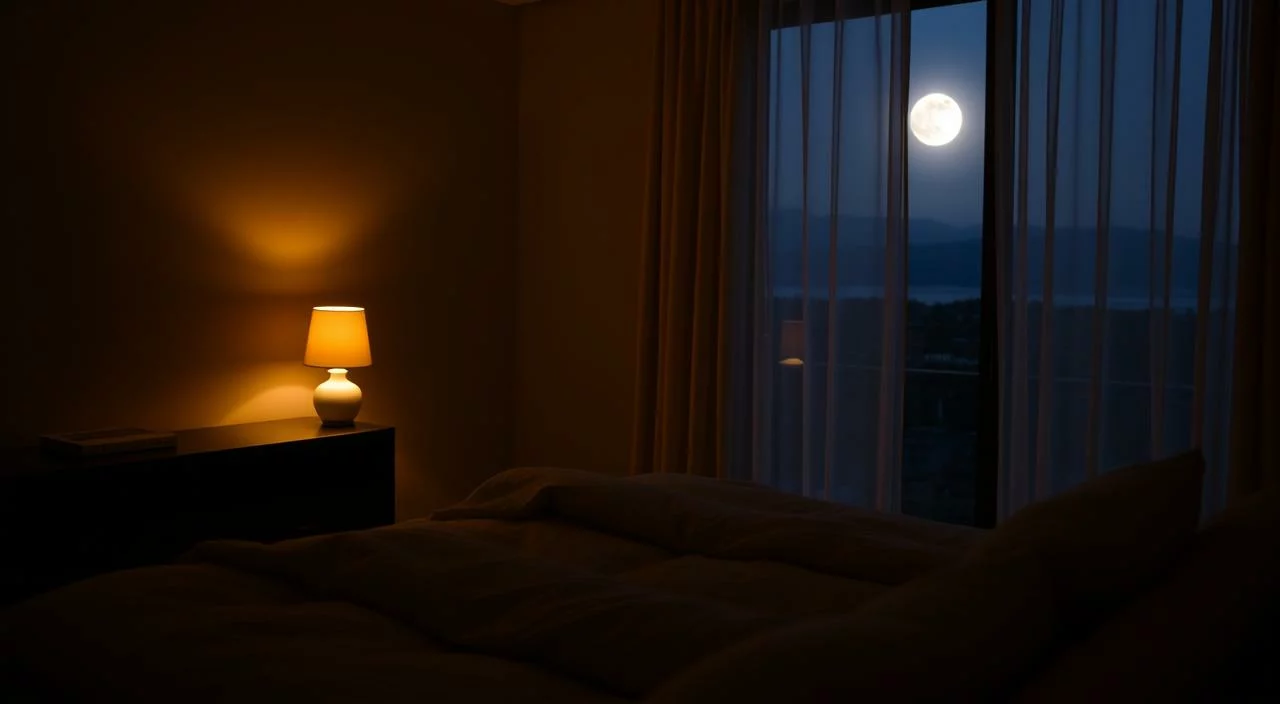
A sleep-friendly environment is essential for a good night's sleep. This includes lighting , temperature , noise , and distractions . Creating a good environment can help you wake up more rested.
Lighting is very important. Bright lights can reduce melatonin, the sleep hormone. Therefore, use curtains or blinds to darken the room.
Temperature is also crucial. A temperature between 18 and 22 degrees Celsius helps you sleep better. Keep the room at this temperature for a deep sleep.
Noise and distractions also affect sleep. A white noise machine or a fan can help. Avoid using electronic devices before bed.
- Use curtains or blinds to block the light.
- Keep the room temperature between 18 and 22 degrees Celsius.
- Use a white noise machine or a fan to create a steady sound.
- Avoid bright screens and electronic devices before bed.
A sleep-friendly environment improves the quality of your sleep. You will wake up more rested. Remember, a good environment is essential for a good night's sleep.
Alternative and Complementary Therapies
Alternative and complementary therapies help improve sleep. Acupuncture and acupressure relax the body and mind, improving sleep quality.
Massages and body therapies also provide relaxation. They reduce stress and anxiety. These therapies do not replace medical evaluation, but they can complement treatment.
Some useful alternative and complementary therapies include:
- Acupuncture : involves inserting thin needles into specific points on the body to stimulate healing.
- Acupressure : uses pressure on specific points of the body to stimulate healing.
- Massage : manipulates soft tissues to relax and reduce stress.
- Body therapies : manipulate soft tissues to relax and reduce stress.
Using alternative and complementary therapies carefully is essential. It should be done under the guidance of a qualified professional. Maintaining a healthy sleep routine and a balanced lifestyle is also important for better results.
The Role of Physical Activity

Regular exercise greatly contributes to a good night's sleep.
Walking and running outdoors are also great for sleep and improving mental well-being.
Benefits of Physical Activity
- It increases cardiorespiratory capacity.
- Reduces bad cholesterol (LDL).
- It increases good cholesterol (HDL).
Psychotherapy and Emotional Support
Psychotherapy is very helpful for improving sleep. It also reduces stress and anxiety. With emotional support , people learn to cope with daily life.
Benefits of Cognitive-Behavioral Therapy
Cognitive behavioral therapy is very effective. It helps with anxiety and depression. It teaches you to change negative thoughts in order to live better.
Support Groups and Community
Support groups are very important. They provide a safe place to talk and connect, making people feel less alone.
With psychotherapy , cognitive behavioral therapy , and support groups , people improve significantly. They learn to cope with anxiety and depression. This helps them sleep better and live better.
Stress Management Techniques
Managing stress greatly contributes to better sleep. Chronic stress can cause problems such as high blood pressure and depression. It's important to know where stress comes from and how to deal with it.
Identifying Sources of Stress
Knowing the source of your stress is the first step. This could be from work, personal problems, or bad habits. With this information, we can begin to reduce stress and improve sleep.
Effective Coping Strategies
There are several ways to cope with stress. Some of them are:
Meditation and guided meditation: Meditation improves emotional balance and reduces stress.
| Strategy | Description |
|---|---|
| Regular exercise | Exercising helps reduce stress and improve sleep. |
| Sleep hygiene | Having a good sleeping environment is essential for quality sleep. |
Eating foods rich in tryptophan, such as turkey, also helps. And don't forget to drink water to avoid stress due to dehydration.
In conclusion, managing stress is crucial for better sleep. Exercise, meditation, and taking good care of your sleep are some of the strategies that help a lot.
Establishing a Healthy Sleep Routine
Having a sleep routine is very important. It helps you sleep better and feel better mentally. Maintaining a fixed sleep and wake schedule is essential.
Avoiding long naps during the day also helps. And making the bedroom a peaceful place to sleep is crucial. Practicing relaxing activities before bed, such as meditating or reading, is also helpful.
Want to experience the benefits of hypnosis for anxiety and stress?
Schedule your free 20-minute consultation now and discover how hypnotherapy can transform your life! Access the website and book your appointment .
Source Links
- Treat Insomnia Naturally - Aster Psychology - Guarulhos - https://www.clinicapsicologiaguarulhos.com.br/forma-natural-tratar-insonia
- Sleep aids that don't require a prescription - Safe alternatives - https://www.vitasay.com.br/blog/sono/remedios-para-dormir-que-nao-precisam-de-receita-alternativas-seguras?srsltid=AfmBOop-g3dZkABEz1ktmmFpeDwXniV2wq0NPcR3JQvJL-MrN0azdr3X
- Everything You Need to Know About Anxiety and How to Control It - https://www.clinicavittaanapolis.com.br/tudo-o-que-voce-precisa-saber-sobre-ansiedade-e-como-controla-la-159
- Complete Guide to Sleeping Better - https://www.clinicavittaanapolis.com.br/ansiedade-noturna-guia-completo-para-dormir-melhor
- How to identify and treat nighttime anxiety to sleep (and live) better? - https://www.clinicavittavalparaiso.com.br/sintomas-de-ansiedade-noturna-como-identificar-e-tratar-para-dormir-e-viver-melhor
- Cognitive Behavioral Therapy for Insomnia in 2025 - https://www.neurologiaintegrada.com.br/terapia-cognitivo-comportamental-para-insonia/
- Learn how to control anxiety with simple techniques - https://www.cuidamosjuntos.com.br/saude/saude-mental/ansiedade/aprenda-controlar-ansiedade-tecnicas
- Use of Integrative and Complementary Health Practices in the treatment of depression - https://www.scielo.br/j/physis/a/X9k4dYpY6MQZJHds5N9vhsq/
- What is a holistic view of health? How can it help you? - https://eigierdiagnosticos.com.br/blog/visao-holistica-da-saude/
- Sleep hygiene: Discover how to sleep better - Qualicorp - https://www.qualicorp.com.br/qualicorp-explica/saude-e-bem-estar/higiene-do-sono-descubra-como-dormir-melhor/
- How to Sleep Better: Relaxation Techniques and the Importance of Sleep for Health - LifePlus - https://lifeplus.com.br/como-dormir-melhor-tecnicas-de-relaxamento-ea-importancia-do-sono-para-a-saude/
- Sleep therapy: 5 methods for better nights - Marjan Farma - https://marjan.com.br/blog/terapia-do-sono/
- RELATIONSHIP BETWEEN NUTRITION AND MENTAL HEALTH – ISSN 1678-0817 Qualis B2 - https://revistaft.com.br/relacao-entre-a-nutricao-ea-saude-mental/
- Insomnia: Learn about the causes and how to combat the disorder - https://www.clinicavittavalparaiso.com.br/insonia-conheca-as-causas-para-combater-o-disturbio-clinica-vitta
- Topics Magazine - https://revistatopicos.com.br/artigos/aromaterapia-os-efeitos-terapeuticos-dos-oleos-essenciais-especialmente-na-atenuacao-da-ansiedade-estresse-e-depressao
- Aromatherapy: a therapeutic system recognized by the Health Sciences - IdeiaSUS Fiocruz - https://ideiasus.fiocruz.br/publicacao/aromaterapia-sistema-terapeutico-reconhecido-pelas-ciencias-da-saude/
- Size and projection of the aromatherapy market for sleep - https://www.marketresearchintellect.com/pt/blog/sleeping-aromatherapy-market-a-natural-approach-to-combatting-sleep-disorders/
- Meditation for Sleep: Techniques to Fall Asleep | Gurupass - https://www.gurupass.com.br/blog/meditacao-para-o-sono-tecnicas-para-adormecer-com-facilidade
- 7 tricks to prevent anxiety from ruining your sleep - https://www.uol.com.br/vivabem/noticias/redacao/2021/02/10/7-truques-para-evitar-que-a-ansiedade-estrague-seu-sono.htm
- Healthy Living 2024 - Integrative and Complementary Practices (PIC) - https://www.saude.mg.gov.br/pics
- Integrative medicine: a path to complete well-being - Allcare Blog - https://blog.allcare.com.br/medicina-integrativa-um-caminho-para-o-bem-estar-completo/
- 7 natural therapies that help with insomnia, anxiety and stress - https://www.minhavida.com.br/materias/materia-21102
- Benefits of physical activity for health - Qualicorp - https://www.qualicorp.com.br/qualicorp-explica/saude-e-bem-estar/beneficios-da-atividade-fisica-para-a-saude/
- Rodrigo Patriota - Exercises for Insomnia - https://www.rodrigopatriota.com.br/conteudos/sono/exercícios-para-a-insônia
- Discover natural therapies that relieve anxiety and stress - https://www.agazeta.com.br/colunas/clube-a-gazeta/conheca-terapias-naturais-que-aliviam-a-ansiedade-eo-estresse-0225
- Types of Holistic Therapy you can do online - https://wellhub.com/pt-br/blog/bem-estar-mental/terapia-holistica/
- Techniques and strategies for dealing with stress in daily life - https://www.terra.com.br/vida-e-estilo/valesaude/tecnicas-e-estrategias-para-lidar-com-o-estresse-no-dia-a-dia,2095eae7af804128f2de211683897b352f7h4ym6.html
- Holistic Nutrition: Stress Management, Sleep and Relaxation - https://pronutrition.com.br/nutricao-holistica-gerenciamento-do-estresse-sono-e-relaxamento-mental/
- 10 tips for a better night's sleep - https://blog.drinteligente.com.br/dicas-para-a-melhor-noite-de-sono/
- How to support your sleep with holistic therapy and improve your rest - https://blog.drinteligente.com.br/como-apoiar-seu-sono-com-terapia-holistica/
- Tips to improve your sleep: The key to a balanced and healthy life | Integrativa - https://integrativa.pt/dicas-para-melhorar-o-seu-sono-a-chave-para-uma-vida-equilibrada-e-saudavel/
🌟 Have you considered seeking a therapist to support your well-being journey?
If this article sparked reflections about positive changes in your life, perhaps now is the ideal time to take the next step. Do you know hypnosis as a therapeutic tool? This approach can be surprisingly effective for various personal challenges.
Special offer: Book a free 20-minute consultation with therapist Fabio Morus and discover how therapy can transform your life.
✨ No commitment — Completely free — 20 minutes that can make a difference
👉 Click here to book your free consultation
Don't postpone your well-being any longer. The first step to change is just one click away.