
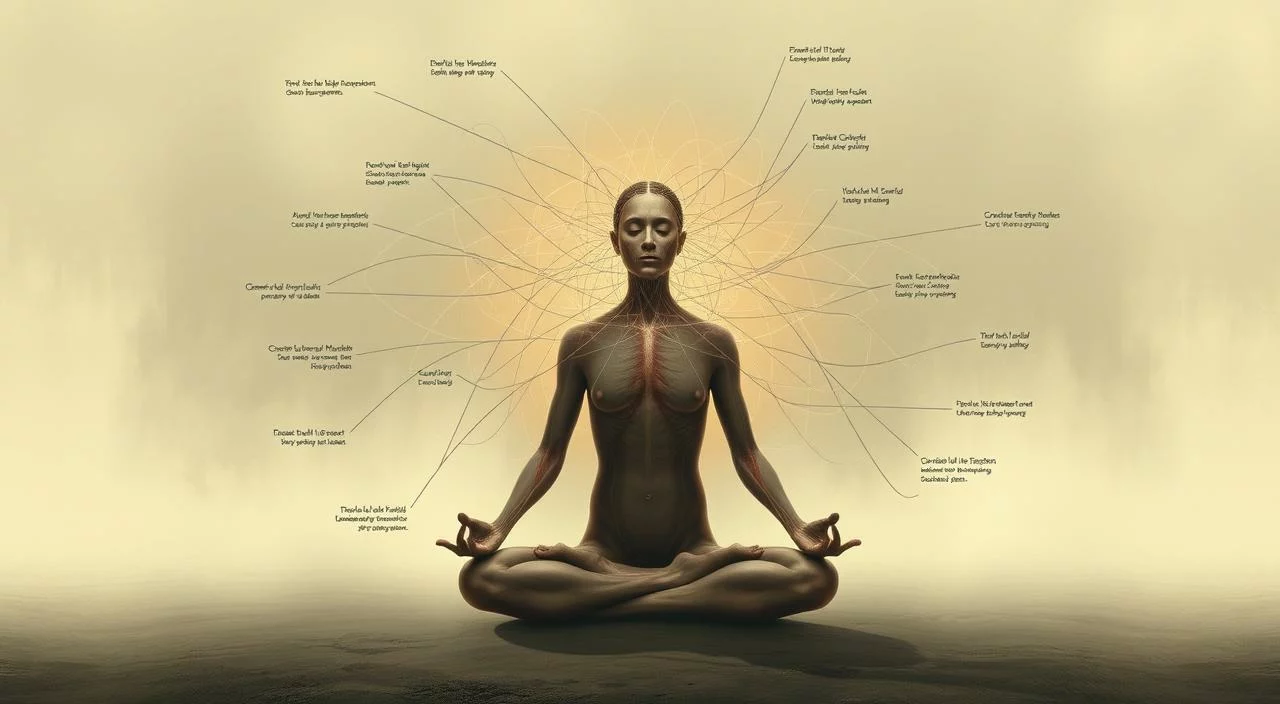

More than 76 million cases of anxiety disorders were recorded in 2020. This has profoundly impacted the physical and mental health of many people. What emotions do to the body goes far beyond fleeting sensations—it can cause symptoms such as stomach pain, tachycardia, and sweating.
Understanding how emotions affect the body is essential for preventing psychosomatic illnesses and improving well-being. Learning techniques such as hypnotherapy and mindfulness can be the first step towards a more balanced emotional life.
Key Points
- Anxiety can cause physical symptoms such as stomach pain and rapid heartbeat.
- Hypnotherapy for emotional health can help manage anxiety.
- Psychosomatics studies the relationship between emotions and the body.
- Healthy habits, such as a balanced diet and relaxation techniques, can help reduce anxiety symptoms.
- Understanding the effects of emotions on the body is fundamental to both emotional and physical health.
The Connection Between Emotions and Physical Health

Emotions and physical health are intricately linked. Emotions can affect our health and vice versa. For example, stress can lead to illnesses such as hypertension and diabetes.
It's essential to learn how to manage stress and emotions. This helps improve our physical and emotional well-being .
Studies from Harvard Medical School show that emotions can increase the risk of heart disease. Exposure to stress hormones can harm the heart. Mind-body therapy helps manage stress and improve well-being.
To improve physical and emotional well-being , it's important to manage stress. Regular exercise, a balanced diet, and relaxation are essential. Seeking emotional support and maintaining good relationships are also important.
In short, emotions and physical health are closely linked. By managing stress and emotions, we improve our well-being. This reduces the risk of disease and promotes a healthier and happier life.
Physical Reactions of the Body to Stress

When we are stressed, our body reacts naturally. It releases hormones like adrenaline. This prepares our body to fight or flee.
This response makes our heart beat faster and our muscles tense. It's essential to learn how to manage stress. This way, we can avoid these negative reactions and maintain emotional balance .
Self-hypnosis and complementary therapy are very helpful. They are useful tools for dealing with stress. It's also crucial to understand how the body reacts to stress.
Therefore, we can learn how to prevent or lessen these negative reactions.
The Fight or Flight Response
The fight-or-flight response is a natural reaction to stress. It can cause physical and hormonal changes. It's important to learn how to manage this response.
In this way, we can promote relaxation and emotional balance .
Hormonal Changes and Their Effects
Hormonal changes due to stress can be bad for the body. They can cause muscle tension and a racing heart. Additionally, they release hormones like adrenaline.
Self-hypnosis and complementary therapy can be very helpful. They reduce these negative effects, thus promoting relaxation and emotional balance .
Anxiety and Its Influence on the Body

Anxiety affects the body in many ways. It can cause physical symptoms and weaken the immune system. Learning to manage anxiety and emotions is essential for feeling better. Mindfulness practices are very helpful in this, helping to reduce anxiety and increase self-awareness .
Some physical symptoms of anxiety include:
- Stomach pain and gastrointestinal problems
- Tachycardia and changes in blood pressure
- Difficulty sleeping and fatigue
Emotional reframing also greatly helps in managing anxiety. It changes the way we see things and helps us deal with emotions in a healthy way. With mindfulness and self-awareness practices , it's possible to reduce anxiety and improve life.
The Importance of Positive Emotions

Positive emotions are very important for our mental health . They can improve both our physical and mental health. They also increase our ability to cope with stress.
Practicing emotional self-control helps a lot. This can be done through therapy and other practices. It's also good to be around positive people.
To have positive emotions, it's essential to be aware of our feelings. Practicing meditation and yoga helps a lot. Doing things that make us happy is also important.
In conclusion, positive emotions are crucial for our mental health . Cultivating them and using therapies helps us improve. This helps us face challenges more easily.
The Role of the Brain in Emotional Responses
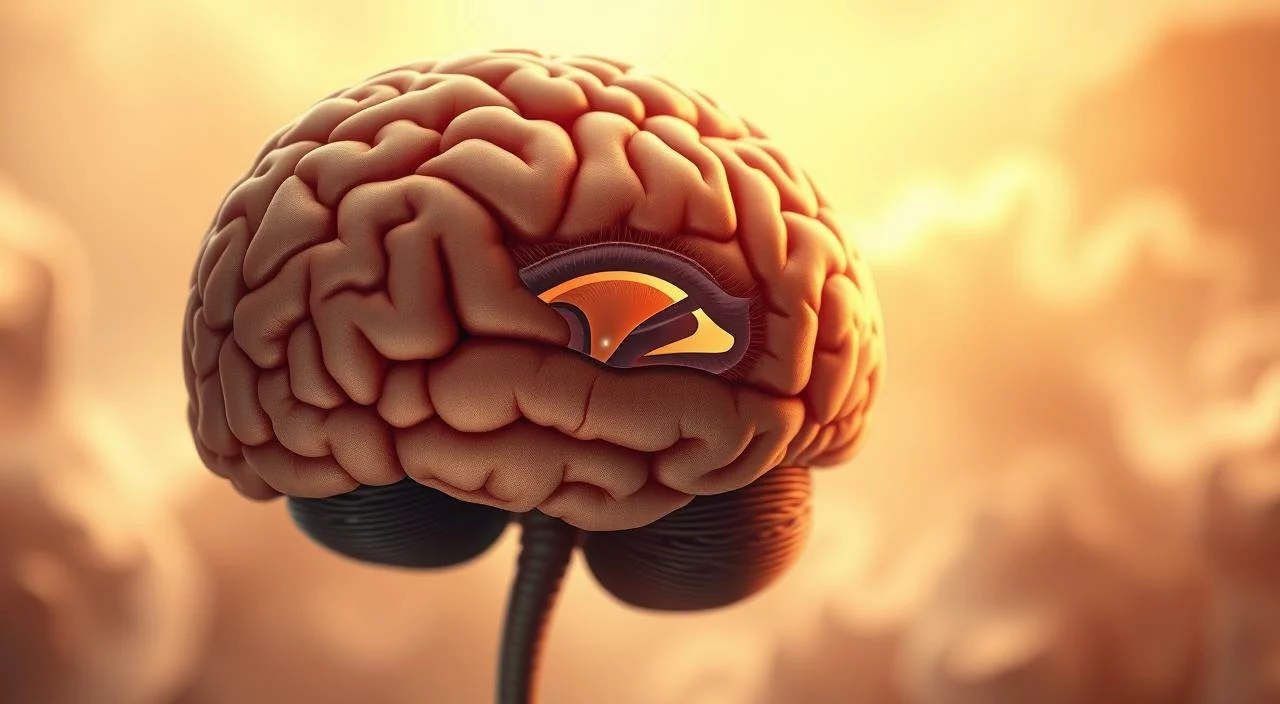
The brain is essential for our emotions. It processes emotions and sends signals to the body. Guided meditation and psychotherapy help to control these responses.
Neurotransmitters, such as dopamine, are key to experiencing pleasure and regulating emotions. Understanding how the brain and emotions affect our body is crucial for well-being.
Neurotransmitters and Emotions
Neurotransmitters are substances that allow nerve cells to communicate. They are essential for controlling emotions and coping with stress.
The Effect of the Brain on the Body
The brain greatly influences the body. It affects how we deal with stress and emotions. Practicing guided meditation and psychotherapy can reduce stress and anxiety. This improves our emotional and physical health.
Negative Emotions and Physical Pain

Negative emotions, such as depression and anxiety, greatly affect physical health. Psychosomatics studies how emotions and the body are connected. It shows how negative emotions can cause physical pain.
Hypnotherapy for emotional health helps manage negative emotions. It's essential to understand how emotions affect the body. For example, emotions can change heart rate and blood pressure.
- Headache
- Back pain or joint pain
- Nausea, diarrhea, or vomiting
- Shortness of breath, palpitations, tachycardia, or chest tightness.
Seeking professional help is crucial for treating somatization. Hypnotherapy for emotional health and cognitive behavioral therapy are effective. They help manage negative emotions and improve health.
Psychological Factors that Influence Illnesses

Psychological factors have a major impact on illness. They affect both physical and mental health. Mind-body therapy helps to unite mental and physical health . It shows that emotions, stress, and well-being are linked.
Stress management is crucial for preventing psychosomatic illnesses. These illnesses are caused by emotions that affect the body. They can lead to physical pain and increase the risk of chronic diseases.
Some common physical symptoms include:
- Gastric changes
- Insomnia
- Constant headaches
- Feeling of suffocation
- Fatigue with no apparent cause
Maintaining physical and emotional well-being is essential for health. Appropriate therapy can improve a patient's mental state, helping to reduce symptoms and increase autonomy.
Techniques for Managing Emotions and Health

Managing emotions is essential for physical and mental health. Techniques such as self-hypnosis and complementary therapy help to achieve a healthy emotional balance .
Practicing mindfulness and meditation also helps. They reduce stress and anxiety, improving life. Remember, emotional health is just as important as physical health. Seeking professional help is an important step towards well-being.
Mindfulness and Meditation Practices
Practicing mindfulness and meditation is simple and accessible. Here are some tips:
- Practice deep and conscious breathing.
- Perform muscle relaxation exercises.
- Practice guided meditation
The Importance of Therapy
Therapy is crucial for managing emotions and mental health. With a professional, it's possible to work through negative emotional patterns, thus achieving a healthy emotional balance .
The Effect of Sleep on Emotions and the Body
Sleep is essential for our health. Without it, we can become fatigued and irritable. It's important to learn how to take care of both sleep and emotions to feel better.
Mindfulness practices can improve sleep. They help the body and mind to rest well. Understanding how emotions and sleep influence each other is crucial.
Some interesting facts about sleep:
- The prevalence of sleep disorders in the adult population is estimated at 15% to 27%.
- Approximately 70 million people in the United States suffer from some type of sleep disorder.
- In Brazil, it is estimated that approximately 10 to 20 million people suffer from sleep disorders.
Sleep is vital for our emotional and physical health. Mindfulness and self-awareness practices can improve sleep. This helps reduce fatigue and irritability. Emotional reinterpretation is essential for a healthy balance.
Nutrition and its Relationship to Emotional State
Nutrition is very important for mental health. Eating well helps prevent problems like depression and anxiety. Fruits, vegetables, whole grains, and healthy proteins are essential.
Therapies, such as cognitive behavioral therapy, can be more effective when combined with a healthy diet. Some foods, like pumpkin seeds and dark chocolate, contain tryptophan. This nutrient helps control emotions.
A balanced diet should include:
- 5 daily servings of fruits and vegetables
- 2 to 3 servings of oily fish per week
- Healthy sources of protein, such as legumes and nuts.
- Whole grains, such as brown rice and quinoa.
It's good to avoid processed foods, refined sugars, and saturated fats. They can harm mental health. By eating well and using therapies, we can take better care of our emotional health.
Conclusion: Taking care of emotional health to improve physiological health.
Physical and mental health are linked. Learning to manage emotions is very helpful. Practices such as guided meditation , psychotherapy , and other alternative treatments for emotional health are very useful.
When we understand how emotions affect the body, we can make changes. This includes sleeping well and eating well. It's also important to seek professional help when needed. A healthy mind and body are essential for a happy and balanced life.
Integrative Therapy: A Journey of Inner Transformation
Many people wonder how to achieve emotional healing in a natural and lasting way. The answer lies in the integration of therapeutic methods and spiritual practices such as meditation and hypnosis, and in connecting with one's life purpose.
✅ Schedule a free 20-minute consultation with Therapist Fabio Morus today ! Discover how hypnotherapy can transform your life, help you better understand your current situation, and develop an action plan with professional and empathetic support.
🌟 Have you considered seeking a therapist to support your well-being journey?
If this article sparked reflections about positive changes in your life, perhaps now is the ideal time to take the next step. Do you know hypnosis as a therapeutic tool? This approach can be surprisingly effective for various personal challenges.
Special offer: Book a free 20-minute consultation with therapist Fabio Morus and discover how therapy can transform your life.
✨ No commitment — Completely free — 20 minutes that can make a difference
👉 Click here to book your free consultation
Don't postpone your well-being any longer. The first step to change is just one click away.