
Anxiety attacks are common and affect many people, causing symptoms such as palpitations and shortness of breath. But how can you quickly and effectively calm an anxiety attack ? There are proven strategies that help restore tranquility and regain control.
Introduction
Anxiety attacks can be very difficult. But there are ways to calm them down and regain control of your life. Let's see how to do this quickly.
Key Points
- Learn relaxation techniques for anxiety.
- Controlling anxiety attacks with effective strategies.
- How to quickly calm an anxiety crisis
- The importance of breathing correctly to reduce anxiety.
- Practical strategies to calm the mind and regain control.
What is anxiety and what are its causes?

Anxiety is a common feeling that can affect anyone. This applies to all ages and genders. According to the World Health Organization (WHO), Brazil became the most anxious country in the world in 2020. This happened in the first year of the Covid-19 pandemic, with a 25% increase in anxiety.
The causes of anxiety can vary widely. They include stress, trauma, and health problems. It's crucial to understand that chronic anxiety can significantly impact quality of life. It can harm relationships, work, and overall well-being.
Some of the main factors that contribute to anxiety include:
- Chronic stress
- Trauma or adverse experiences
- Health problems, such as heart disease or cancer.
If anxiety is affecting your daily life, it's essential to seek professional help. With the right treatment, it's possible to learn how to manage anxiety and improve your quality of life.
Signs and symptoms of an anxiety attack
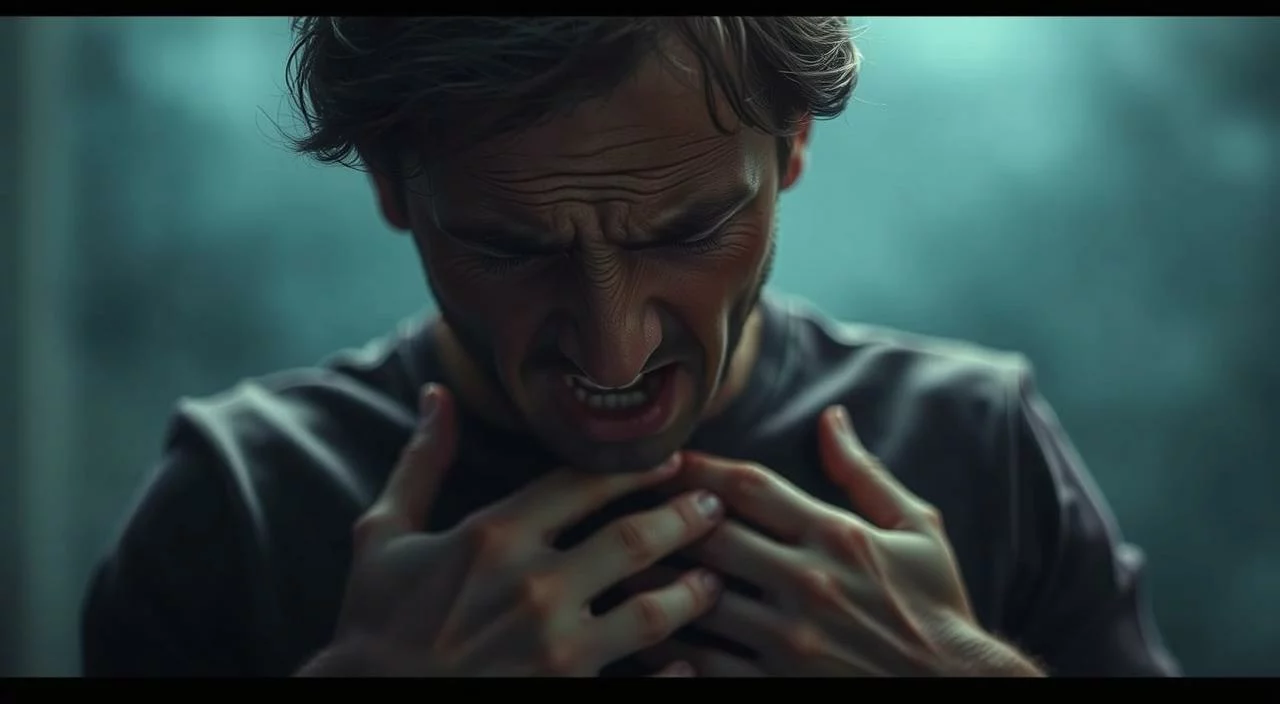
An anxiety attack can be very difficult and frightening. It's crucial to know the signs and symptoms of anxiety so you can better cope with the situation.
Symptoms of anxiety include palpitations, sweating, trembling, and shortness of breath. People also experience fear, anxiety, and panic.
Physical symptoms
The physical symptoms of an anxiety attack are:
- Palpitations
- Sweat
- Tremors
- Feeling short of breath
Emotional symptoms
The emotional symptoms of an anxiety attack are:
- Fear
- Anxiety
- Panic
If you are experiencing symptoms of anxiety or an anxiety attack , seek help. A professional can help you manage your anxiety. This will improve your life.
How to identify an anxiety attack
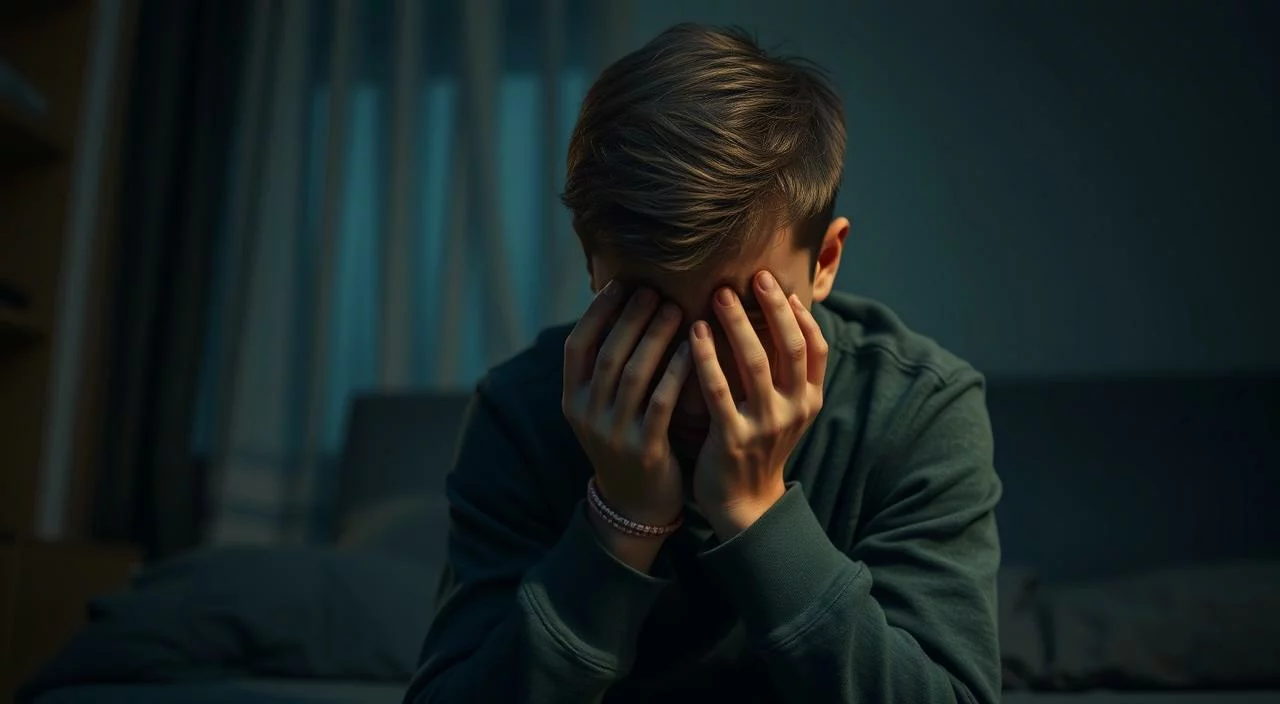
Identifying an anxiety attack can be difficult. However, some signs can help you know if you are experiencing one. Anxiety is common, but it can disrupt your daily life.
Stress, trauma, and health problems are factors that can cause anxiety attacks. Genetic inheritance also plays an important role. Types of anxiety attacks can cause headaches and digestive problems.
To identify an anxiety attack , keep an eye out for symptoms. These include palpitations, shortness of breath, and tremors. Anxiety can make you feel short of breath.
Family problems, overwork, and traumatic events can trigger anxiety attacks. Genetic inheritance and chemical imbalances in the brain are also important factors.
The types of anxiety attacks vary from person to person. Common symptoms include rapid heartbeat and excessive sweating. If symptoms worsen, it's time to seek professional help.
The importance of breathing correctly.
Breathing properly is essential for reducing anxiety. By using deep breathing techniques , more oxygen enters the body. This makes the body feel energized and the mind calm.
Several deep breathing techniques help combat anxiety. For example, diaphragmatic breathing and alternate nostril breathing. Practicing them for a few minutes daily can make a big difference in your life.
Breathing exercises for anxiety attacks are also very useful. They help control anxiety when it arises. The 4-7-8 technique is one of them, inhaling for four seconds, holding for seven, and exhaling for eight.
To make proper breathing a part of your life, set aside some time each day. Practicing deep breathing techniques and breathing exercises for crises can do wonders. This can reduce anxiety and improve your life.
Practical strategies for calming the mind
During times of anxiety, it's essential to have ways to calm the mind. Meditation and mindfulness are practices that help a lot. They can reduce anxiety and improve life.
Muscle relaxation practices are also helpful. These include techniques such as progressive muscle relaxation. In this technique, you contract and relax your muscles sequentially.
Other ways to calm the mind include:
- Breathing exercises, such as counting to 7 seconds before holding your breath.
- Massages with oils such as chamomile, eucalyptus or lavender.
- A yoga practice that can be done by anyone.
- Simple stretches that can even be done at work, during breaks.
These strategies can be used every day. They help reduce anxiety and improve life. Remember that meditation and mindfulness start with just 5 minutes a day. Muscle relaxation practices can be adjusted for each person.
The role of physical activity in anxiety.
Physical activity is very helpful in combating anxiety. It improves the lives of those who practice it. The benefits of regular exercise are numerous, such as less stress and anxiety. It also helps you sleep better and increases your self-confidence.
Some recommended activities include:
- To go by bicycle
- Run
- Practice yoga or pilates
- To dance
Studies show that physical activity can reduce anxiety by up to 60%. This was based on a study of 395,000 people over 21 years. Furthermore, exercise helps improve sleep, which also reduces anxiety and stress.
Therefore, it is essential to do physical activity every day. This way, you can enjoy the benefits of regular exercise and improve your quality of life.
Foods that help reduce anxiety
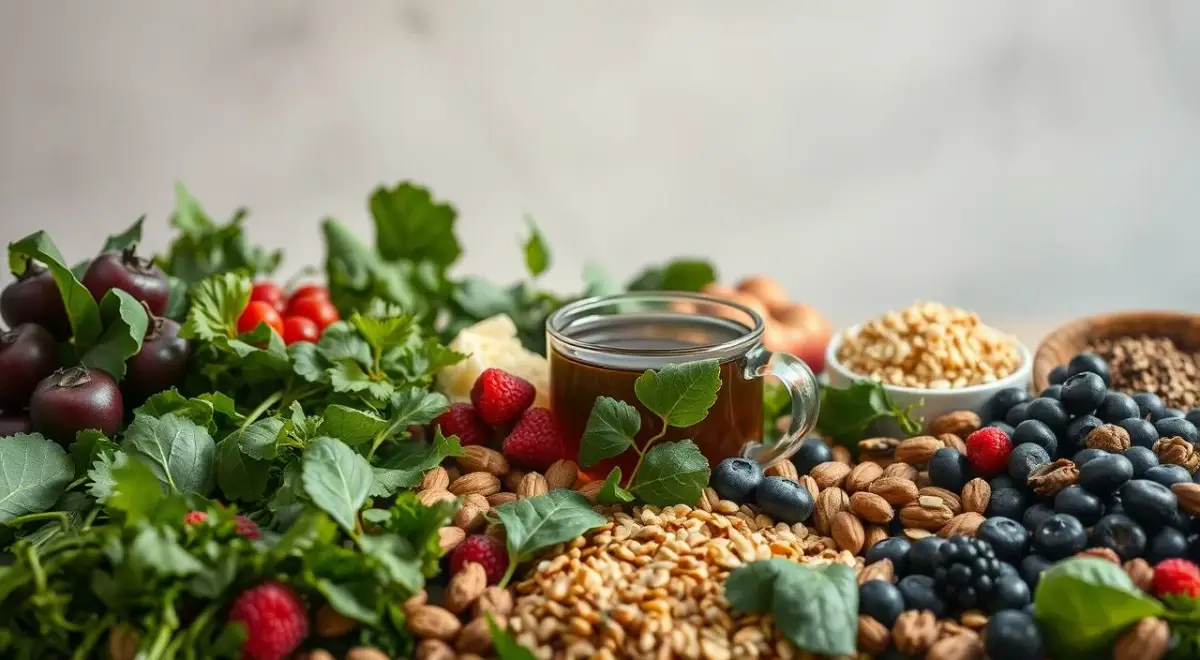
Food is very important in combating anxiety. It gives us nutrients that help our nervous system. Foods like tuna, salmon, and sardines are great for the brain.
Other important foods include oats, bananas, and spinach. They contain magnesium. Tryptophan, found in meat and eggs, helps produce serotonin. This substance improves mood.
Some foods we should avoid are:
- Ultra-processed foods, such as ready-made french fries, chocolate, and instant noodles.
- Sweets in general, caffeine, and alcoholic beverages.
- Refined grains, such as white rice and white pasta.
Eating well helps a lot against anxiety. We should choose healthy foods and avoid those that worsen anxiety.
The importance of maintaining a routine.
Having a daily routine greatly helps to reduce anxiety. This makes life better. Routine helps the body function well, following a rhythm.
A good routine includes time for sleeping, eating, working, and resting. This reduces anxiety and increases productivity. Furthermore, it takes care of mental and emotional health, preventing depression and anxiety.
To have an effective routine, it's essential to set goals and priorities. This can be done in several ways:
- Establish consistent sleep and wake times.
- Establish a work and study schedule.
- Include time for physical exercise and relaxation.
- Plan healthy and regular meals.
Maintaining a daily routine helps reduce anxiety and improve life. Routine regulates the body and reduces stress.
Distraction techniques
When we are anxious, we experience many negative thoughts. Distraction techniques help to reduce anxiety. They improve our mood.
To distract ourselves, we can do creative activities . Painting, drawing, writing, or music are good options. They allow us to express emotions and focus on positive things.
It's also good to socialize with friends and family . Talking to those we love makes us feel more connected. This helps us forget our worries.
Another technique is the 5-4-3-2-1 method. It involves observing five things you see, four things you hear, three things you touch, two things you smell, and one thing you taste. This helps you focus on the present moment and reduce anxiety.
- Practice creative activities such as painting, drawing, or writing.
- Talk to friends and family to feel more connected.
- Use the 5-4-3-2-1 technique to focus on the present.
- Practice deep breathing exercises to reduce anxiety.
Remember, anxiety is normal. There are many ways to deal with it. With practice and patience, you will improve your life.
When to seek professional help
Anxiety can be very debilitating. It affects daily life, with symptoms such as restlessness and sleep loss. It's crucial to know when to seek professional help to deal with it.
According to Dr. Luciana Mancini, in serious cases, there may be palpitations and excessive sweating. Physical activities, such as walking and yoga, help control anxiety.
There are signs that it's time to seek therapy . For example, when anxiety affects relationships or the ability to perform daily tasks. In these cases, seeking help is essential to avoid bigger problems.
The types of treatment available are therapy and medication. At Hospital Santa Mônica, the treatment team includes psychiatrists, nutritionists, and psychologists.
Seeking professional help is crucial when symptoms worsen. This includes panic attacks or excessive use of medication and alcohol. Having a professional, such as a psychiatrist or psychologist, greatly helps in the treatment of anxiety.
The role of medication in anxiety.
Medication can be very helpful for anxiety. But it's essential to know how it works and what effects it can have. Studies show that medication can be very effective.
There are several classes of medications to treat anxiety. These include:
- Selective serotonin reuptake inhibitors
- Benzodiazepines
- Tricyclic antidepressants
It is crucial to understand the side effects of these medications. The table below shows some common effects:
| Medication | Side Effects |
|---|---|
| Selective serotonin reuptake inhibitors | Nausea, headache, fatigue |
| Benzodiazepines | Drowsiness, confusion, dependence |
| Tricyclic antidepressants | Dry mouth, constipation, blurred vision |
Talking to a doctor about medication is very important. They can help you understand the side effects. Remember, medication should be used in conjunction with other therapies for best results.
Tips for keeping anxiety under control in the long term.
Dealing with anxiety is an ongoing process. With the right practices, you can keep it under control. Establishing a structured daily routine is essential. This includes regular times for sleeping, waking up, and relaxing.
Regular exercise also helps. At least 2 hours a week at a moderate intensity can reduce anxiety.
Don't forget to practice deep breathing techniques when anxiety increases. This activity calms the mind and body quickly. Also, maintain a healthy diet . Avoid caffeine and alcohol, as they can worsen anxiety.
Anxiety is a response to stress. It's normal to feel anxious at times in life. By following these daily practices, you can keep anxiety under control . This way, you can enjoy a more balanced and peaceful life.
Want to experience the benefits of hypnosis for anxiety and stress?
Schedule your free 20-minute consultation now and discover how hypnotherapy can transform your life! Access the website and book your appointment .
Source Links
- Anxiety crisis: 5 tips to control a sudden imbalance – Marcelo Parazzi - https://www.marceloparazzi.com.br/blog/crise-de-ansiedade-5-dicas-para-controlar-um-desequilibrio-subito
- Check out 5 tips for daily actions to reduce anxiety - https://portal.pucrs.br/noticias/pesquisa/5-dicas-acoes-diarias-para-reduzir-a-ansiedade/
- How to identify an anxiety attack? Learn more about the subject - https://vidasaudavel.einstein.br/crise-de-ansiedade/
- Anxiety attack: what is it? What causes it? What are the symptoms? - https://www.buscopan.com.br/blog/bem-estar/entenda-o-que-e-uma-crise-de-ansiedade-e-confira-suas-causas-e-sintomas
- Anxiety crisis: see tips on how to act to alleviate the symptoms - https://www.unimedcampinas.com.br/blog/saude-emocional/crise-de-ansiedade-veja-dicas-de-como-agir-para-aliviar-os-sintomas
- 8 signs that indicate an anxiety attack - https://apsiquiatra.com.br/crise-de-ansiedade-sinais/
- Anxiety: How to identify it and what to do during a crisis? - Schedule your consultation or exam at Hospital Alemão Oswaldo Cruz - https://www.hospitaloswaldocruz.org.br/imprensa/hospital-na-midia/ansiedade-como-identificar-eo-que-fazer-durante-uma-crise/
- Anxiety crisis: how to identify and treat it? - Blog - Clique Médicos - https://www.cliquemedicos.com.br/blog/doencas/crise-de-ansiedade-como-identificar-e-tratar/
- Anxiety crisis: what to do and how to identify it? - Santa Mônica Hospital - https://hospitalsantamonica.com.br/crise-de-ansiedade-o-que-fazer-e-como-identificar/
- 4 breathing techniques to reduce anxiety and stress - https://hospital.mackenzie.br/huem/noticias/arquivo?tx_news_pi1[action]=detail&tx_news_pi1[controller]=News&tx_news_pi1[news]=34614&cHash=59e893ddf9f9ac1f585fa70769d402ea
- Breathing correctly helps reduce stress - https://www.tjdft.jus.br/informacoes/programas-projetos-e-acoes/pro-vida/dicas-de-saude/pilulas-de-saude/respirar-corretamente-ajuda-a-diminuir-o-estresse
- 3 breathing techniques to relieve anxiety - https://nav.dasa.com.br/blog/tecnicas-de-respiracao-para-ansiedade
- 6 exercises to calm the mind - https://www.unimedcampinas.com.br/blog/saude-emocional/6-exercicios-para-acalmar-a-mente
- 6 ways to train your brain to deal with anxiety, an ailment affecting 13 million Brazilians - BBC News Brazil - https://www.bbc.com/portuguese/geral-41689217
- What is the importance of physical exercise for anxiety? - https://vidasaudavel.einstein.br/entenda-a-importancia-dos-exercicios-fisicos-para-a-ansiedade/
- Learn about the importance of physical exercise in treating anxiety - https://novadiagnostico.com.br/2022/09/02/conheca-a-importancia-dos-exercicios-fisicos-para-o-tratamento-da-ansiedade/
- 10 Effects of Physical Activity on Mental Health - https://ge.globo.com/eu-atleta/saude-mental/reportagem/2023/10/04/c-10-efeitos-da-atividade-fisica-na-saude-mental.ghtml
- What foods can help reduce anxiety? - Drauzio Varella Portal - https://drauziovarella.uol.com.br/alimentacao/quais-alimentos-podem-ajudar-a-diminuir-a-ansiedade/
- Foods that combat anxiety and stress - https://www.tuasaude.com/alimentos-contra-a-ansiedade/
- 10 Foods That Reduce Anxiety - https://www.oceandrop.com.br/blog/alimentos-que-diminuem-a-ansiedade/?srsltid=AfmBOorw3s4vlYA3iSEig2Io0ebgiLLulgZ_U_1roagCKZ3nrRN4Jks0
- How to deal with anxiety in the professional routine - Best Profession Blog - UNIFOR - https://unifor.br/web/melhor-profissao/como-lidar-com-a-ansiedade-na-rotina-profissional
- Do you know how important it is to maintain a routine? - https://www.psitto.com.br/blog/voce-sabe-qual-ea-importancia-de-manter-uma-rotina/
- Behavioral techniques to combat anxiety - Paraná Institute of Psychiatry - https://institutodepsiquiatriapr.com.br/blog/tecnicas-comportamentais-para-combater-a-ansiedade/
- Learn the 5-4-3-2-1 technique for anxiety control - https://semprebem.paguemenos.com.br/posts/mente-e-comportamento/conheca-a-tecnica-5-4-3-2-1-para-o-controle-da-ansiedade
- How to control an anxiety attack and when to seek help? - Santa Mônica Hospital - https://hospitalsantamonica.com.br/como-controlar-uma-crise-de-ansiedade-e-quando-procurar-ajuda/
- Anxiety crisis: what it is and how to help - https://nav.dasa.com.br/blog/crise-de-ansiedade-como-ajudar
- Anxiety disorders - https://www.scielo.br/j/rbp/a/dz9nS7gtB9pZFY6rkh48CLt/?lang=pt&format-html
- The role of medication in building mental balance | Federal University of Ouro Preto - https://ufop.br/noticias/em-discussao/o-papel-da-medicacao-na-construcao-do-equilibrio-mental
- How to control anxiety | CUF - https://www.cuf.pt/mais-saude/como-controlar-ansiedade
- 14 tips to control your anxiety: effective techniques - https://www.conexasaude.com.br/blog/como-controlar-a-ansiedade/
🌟 Have you considered seeking a therapist to support your well-being journey?
If this article sparked reflections about positive changes in your life, perhaps now is the ideal time to take the next step. Do you know hypnosis as a therapeutic tool? This approach can be surprisingly effective for various personal challenges.
Special offer: Book a free 20-minute consultation with therapist Fabio Morus and discover how therapy can transform your life.
✨ No commitment — Completely free — 20 minutes that can make a difference
👉 Click here to book your free consultation
Don't postpone your well-being any longer. The first step to change is just one click away.