
Anxiety affects millions of people, impacting their quality of life and emotional well-being. But what can reduce anxiety naturally? There are effective strategies, such as mindful breathing, physical exercise, and a balanced diet, that help control symptoms without the need for medication.
Key Points
- Anxiety is a common mental health problem in Brazil.
- Relaxation and meditation techniques for anxiety can be effective.
- Physical exercise and healthy sleep habits can also help.
- Supplements such as Omega-3 and methylated B vitamins may be beneficial.
- Sharing feelings with friends or family can provide momentary relief.
What is anxiety and how does it affect us?

Anxiety is a normal emotion. But when it's excessive, it can be a problem. It can affect our physical and mental health.
Symptoms include nervousness, agitation, and tension. Headaches and digestive problems are also common. According to the World Health Organization (WHO), Brazil has a large number of people with anxiety. More than 18 million Brazilians suffer from anxiety.
Symptoms of anxiety can vary from person to person. However, some common ones include dizziness and tremors. Restlessness, excessive sweating, and shortness of breath are also symptoms.
Other symptoms include muscle tension, insomnia, and feelings of weakness. Irritability, mood swings, and gastrointestinal problems are also common. Palpitations and fainting may also occur.
Anxiety can greatly affect daily life. It can hinder relationships, work, and school life. But it is treatable.
Therapy, medication, and physical exercise can help. Meditation and a good night's sleep are also important. With the right support, it's possible to overcome anxiety and improve your life.
What reduces anxiety naturally?
If you're looking for ways to reduce anxiety, some practices can be very effective:
- Deep, controlled breathing , such as the 4-7-8 technique, reduces stress immediately.
- Regular physical activity stimulates the production of serotonin and endorphins, hormones associated with well-being.
- A balanced diet , rich in magnesium, omega-3 fatty acids, and B vitamins.
- Quality sleep is essential for maintaining emotional balance and reducing anxiety.
- Mindfulness and meditation are practices that help to focus on the present and reduce anxious thoughts.
The importance of dealing with anxiety.
Overcoming anxiety greatly improves life. In Brazil, 9.3% of the population suffers from it. It is essential to know the signs and seek help.
Anxiety can greatly affect personal and professional life. It causes worry, fear, and a feeling of being out of control.
Recognizing anxiety
Identifying anxiety is the first step. It's necessary to know what's causing it, such as stressful work or financial problems. It's also important to notice physical and mental signs, such as sweating and fatigue.
Benefits of seeking help
Seeking help is the best choice when anxiety is making you feel unwell. Therapy offers many benefits:
- It helps to change negative thoughts.
- It teaches you how to better manage stress.
- It improves sleep and emotions.
- It increases self-esteem.
Seeking help is a big step toward overcoming anxiety. With a specialist, you learn to deal with it in a personalized way. This greatly improves your life.
Breathing techniques to reduce anxiety
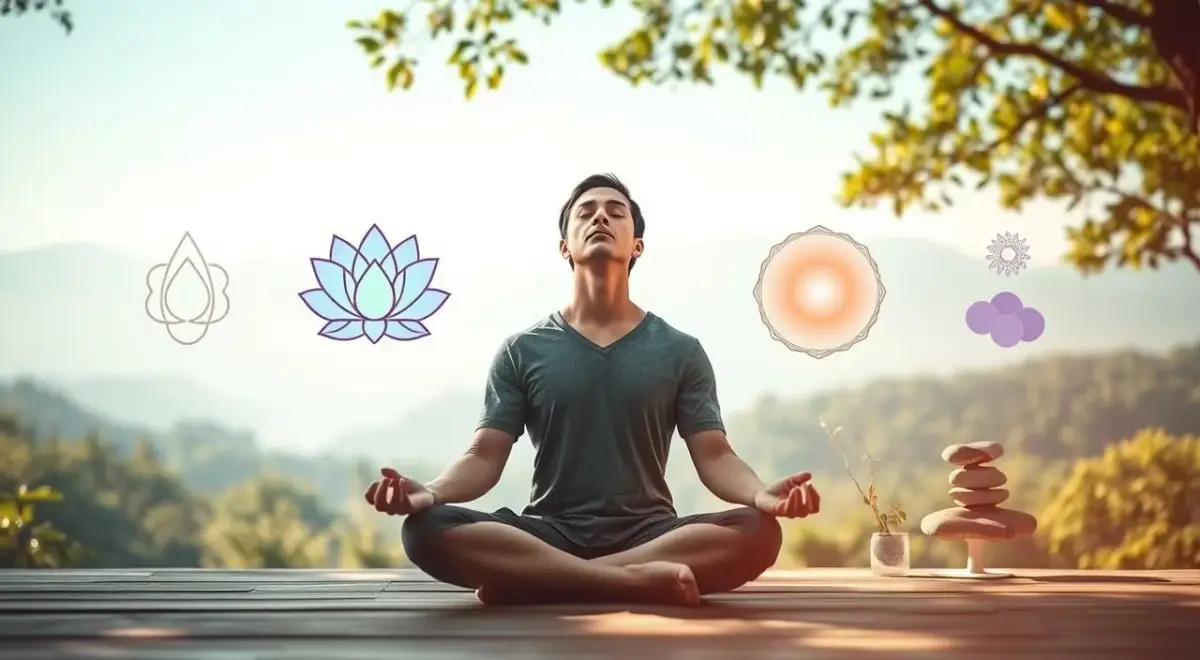
Practicing breathing techniques is very helpful against anxiety. Diaphragmatic breathing is one of them. It involves inhaling for four breaths and exhaling for six. This improves sleep and reduces anxiety.
Diaphragmatic breathing
Diaphragmatic breathing is easy and can be done anywhere. First, inhale through your nose, allowing your diaphragm to expand. Then, exhale through your mouth, causing your diaphragm to contract.
The 4-7-8 method
The 4-7-8 method involves inhaling for four minutes, holding your breath for seven, and exhaling for eight. This technique also helps reduce anxiety and improve sleep.
Tips for practicing mindful breathing
To practice mindful breathing , find a quiet place. Sit with your back straight and your eyes closed. Inhale through your nose, allowing your diaphragm to expand.
Exhale through your mouth, contracting your diaphragm. Repeat for a few minutes, focusing on your breathing. Let go of any thoughts.
The regular practice of physical exercise.
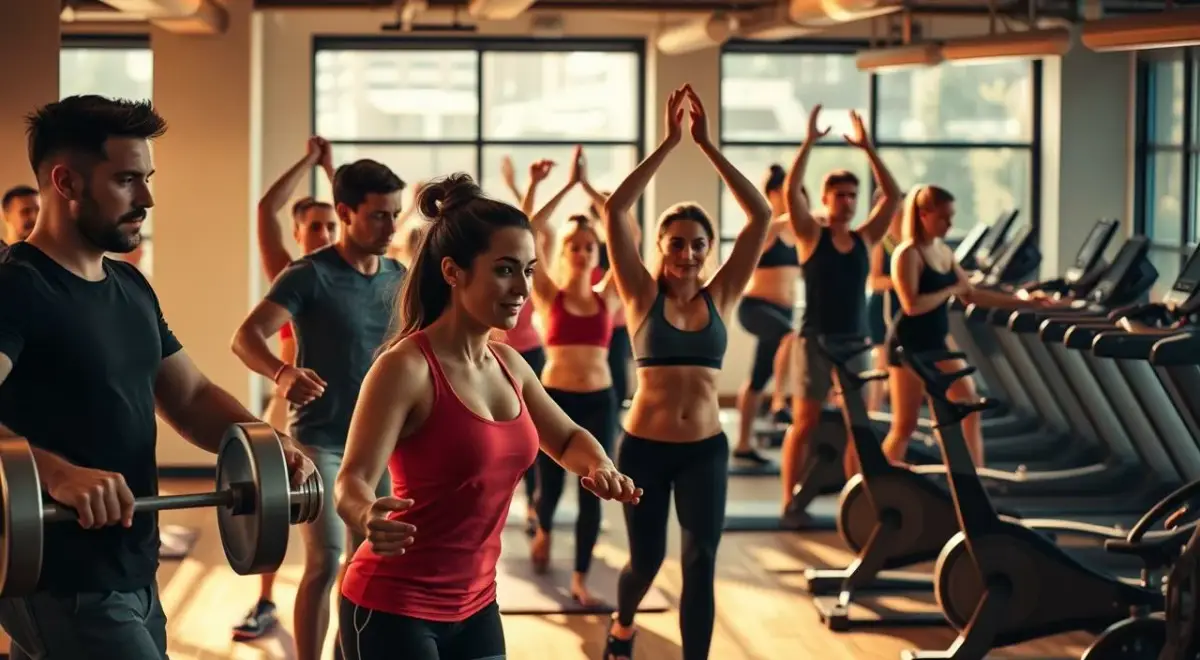
Regular exercise helps reduce anxiety. Up to 30% of people who exercise say they feel less anxious.
The benefits of exercise for the mind include less anxiety, improved mood, and increased self-esteem. It also helps you sleep better, which is good for those who suffer from anxiety.
There are many types of exercises that help mental health. For example:
- Aerobic exercises, such as running and swimming.
- Strength training exercises, such as weightlifting.
- Flexibility exercises, such as yoga.
To exercise every day, choose activities you enjoy. It's important to listen to your body and not overdo it, especially if you're a beginner.
Foods that help reduce anxiety
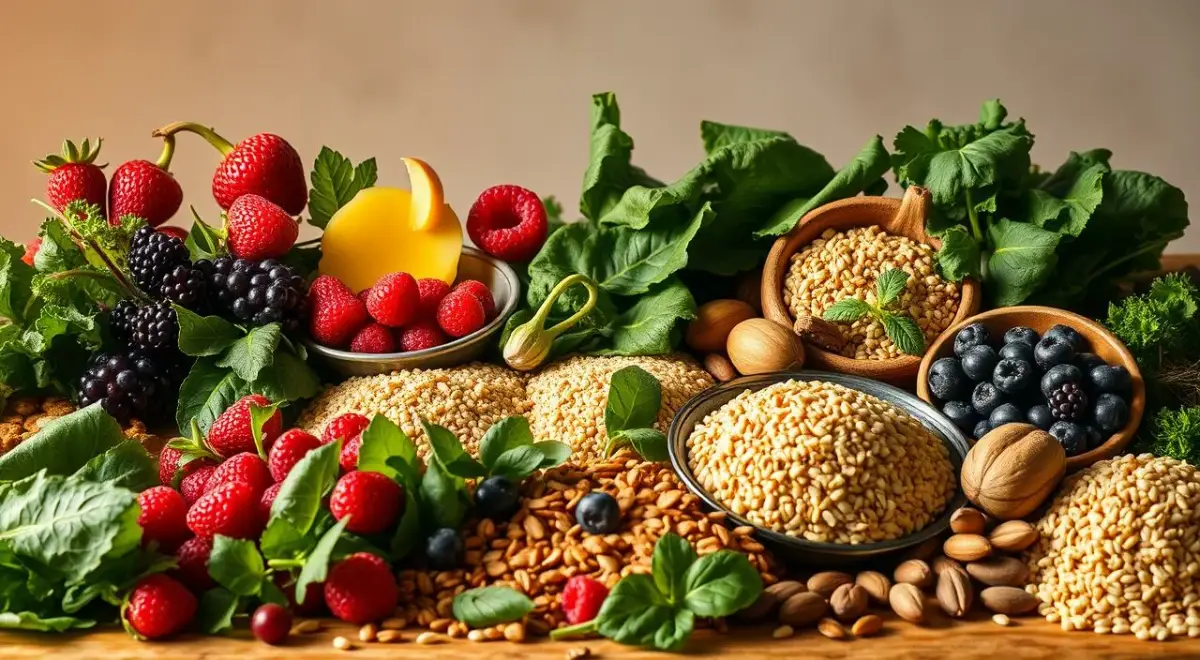
Food is very important for mental health. It helps reduce anxiety and makes you feel better. Some foods that help with anxiety are rich in omega-3 and vitamin D.
Essential nutrients like magnesium and potassium also help. In addition, foods that promote serotonin , such as citrus fruits, fish, and lean meats, improve mood.
Some examples of foods that promote serotonin are:
- Citrus fruits rich in vitamin C
- Fish and lean meats that contain taurine.
- Yogurt, a probiotic food that helps reduce inflammation.
It's also good to avoid foods that can worsen anxiety . This includes ultra-processed foods, caffeine, alcoholic beverages, and refined grains.
In short, choosing the right foods can reduce anxiety and improve well-being.
The importance of sleep in controlling anxiety.
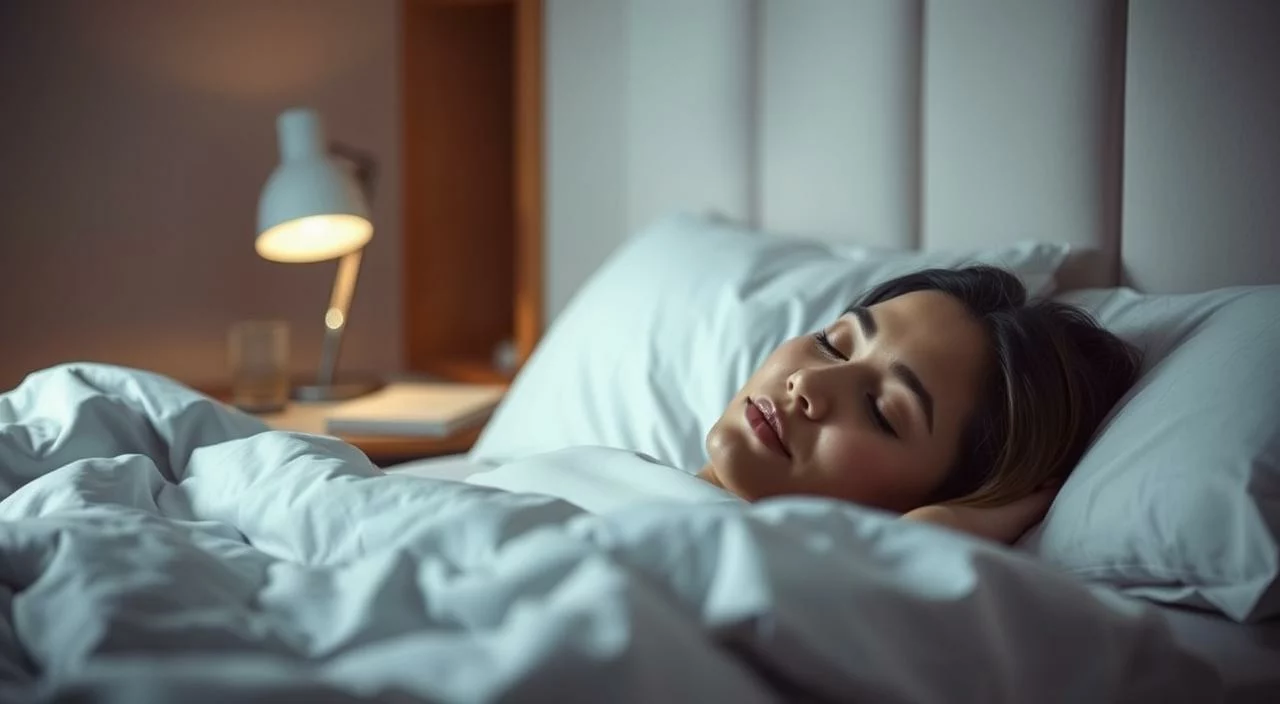
Sleep is essential for our mental and physical health. Lack of sleep can cause anxiety and depression. The World Health Organization (WHO) says that Brazil has a large number of anxious people. Approximately 18.6 million people suffer from anxiety disorders.
Poor sleep quality worsens anxiety and vice versa. Lack of sleep activates areas of the brain that detect threats. This releases hormones that make the heart beat faster and cause sweating.
To improve sleep and manage anxiety, it's important to follow sleep-boosting tips . Maintaining a regular sleep schedule helps a lot. It's also good to eliminate distractions in the bedroom and engage in moderate exercise. Relaxation techniques , such as meditation and deep breathing, are also helpful.
Some tips for improving sleep include:
- Maintain a regular sleep schedule.
- Eliminate distractions in the sleep environment.
- Practice moderate physical exercise.
- Use relaxation techniques , such as meditation and deep breathing.
In short, sleep is crucial for our health. Lack of sleep can cause anxiety and depression. By following tips to improve sleep and exercising, we can improve our sleep and control anxiety.
Meditation and mindfulness strategies
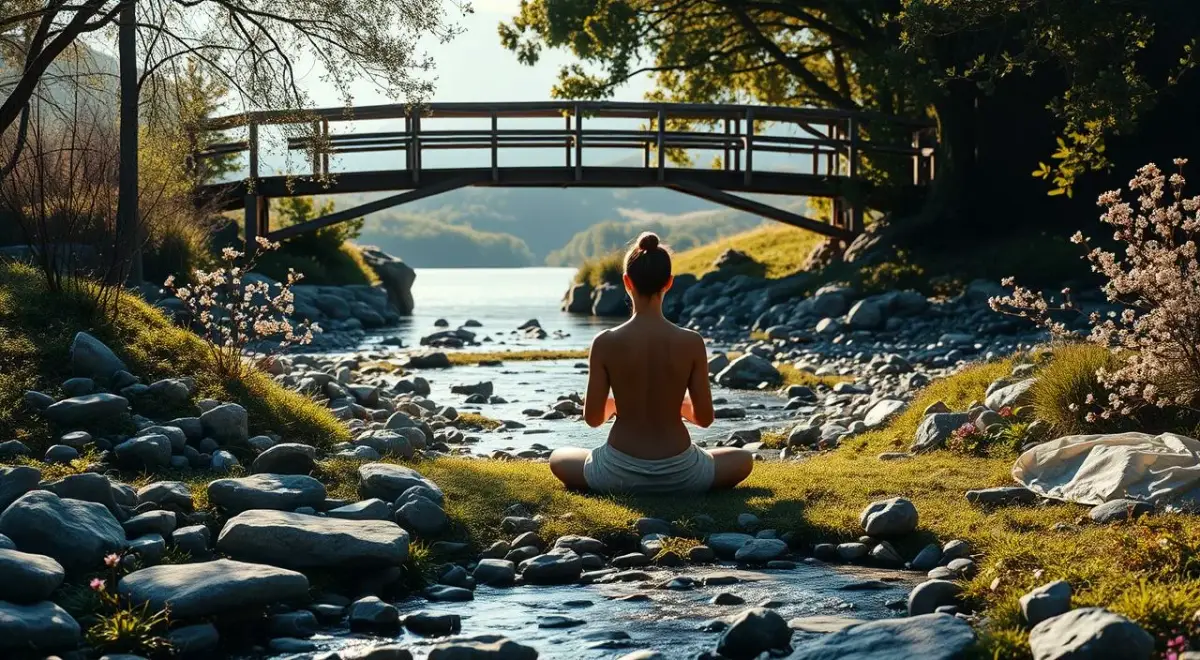
Meditation and mindfulness are great for reducing anxiety. Studies show that they can lower cortisol, the stress hormone. They also improve sleep.
Mindfulness meditation breaks the cycle of worry. With it, it's possible to reduce anxiety and improve mental health.
To begin, it's good to dedicate a few minutes every day. Beginners can start with 5 to 10 minutes. Then, they can increase the time.
Apps like Headspace, Calm, Insight Timer, and Smiling Mind can help. They have free versions for Android and iOS.
Practicing meditation brings many benefits. It reduces anxiety, improves mood, and increases self-esteem. It can also lower blood pressure and increase resistance to stress.
The influence of the environment on anxiety.
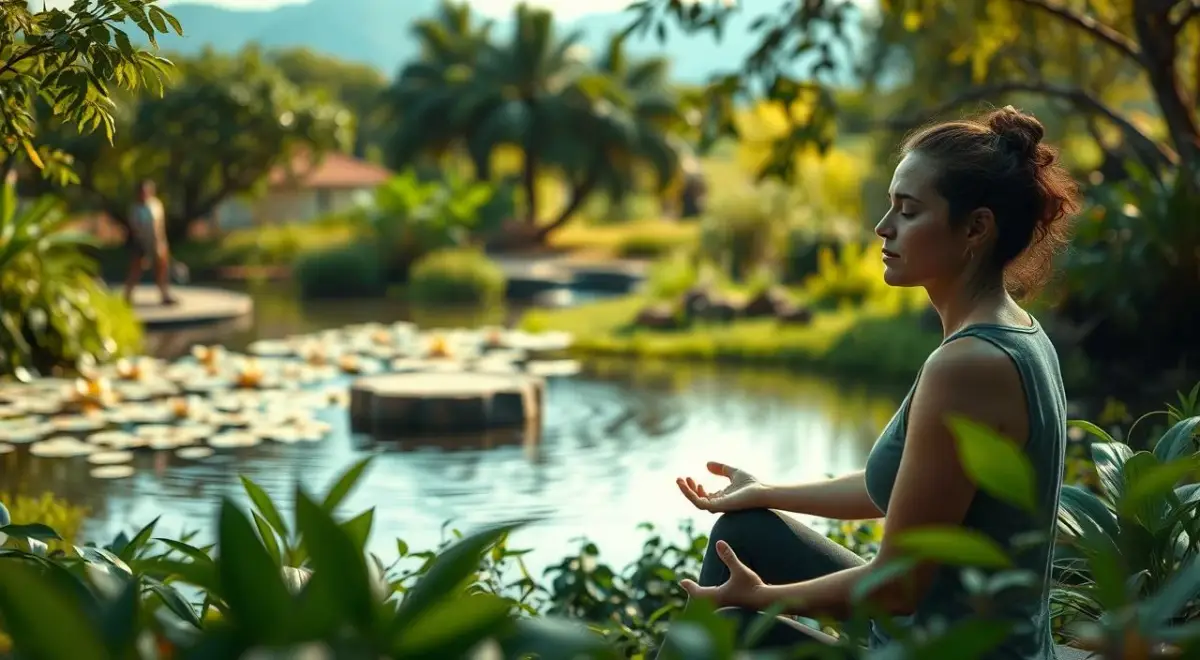
The environment in which we live greatly affects our emotions and anxiety. An organized and calm physical space helps to reduce anxiety. It is essential to understand how the environment and anxiety are related. In this way, we can create a place that brings calm and peace.
There are several tips for creating a calm environment for our daily lives. Some of them are:
- Keep the space organized and clean.
- Use calm and natural colors.
- Incorporate plants and natural elements.
Furthermore, physical space is crucial for our mental health. A calm and serene environment reduces anxiety. This improves our quality of life.
The importance of social connections
Social connections are very important for mental health. They help reduce anxiety. Studies show that being alone can be bad for your mood.
This can lead to problems such as anxiety, stress, and depression. Social interaction is essential for everyone, from children to the elderly. Participating in community activities helps you meet new people.
This brings a sense of purpose and belonging. Some benefits of social connections include:
- Reducing stress and anxiety
- Promoting feelings of calm and happiness.
- Increased longevity
- Strengthening social ties
Sharing worries and joys with friends and family helps a lot. It alleviates anxiety and brings new perspectives. Therefore, it's crucial to have healthy relationships and seek social support .
Self-help and self-knowledge techniques
Self-help and self-awareness are essential for reducing anxiety. They also help improve mental health. Practicing self-help techniques regularly can reduce anxiety.
This also improves mood and increases self-esteem. There are many tools and resources to help with this. For example, writing, meditation, and physical exercise are very useful.
These tools help us to better understand our thoughts, feelings, and behaviors. This allows us to better manage anxiety.
It is also important to create an environment conducive to self-discovery . A quiet and organized space helps a lot. Practicing relaxation techniques, such as taking warm baths or walking, is also helpful.
With self-help , self-awareness , and the right tools and resources , we can develop effective strategies. These strategies help manage anxiety and improve mental health.
When to seek professional help
Natural strategies can help reduce anxiety. However, it's crucial to be aware of signs that you may need professional help . If anxiety is affecting your daily life, such as concentration problems or sleep difficulties, seek help.
Signs that you need help.
If you are experiencing frequent headaches or digestive problems, this could be a sign. Difficulty concentrating and remembering are also signs. Mood swings, such as irritability, and avoiding social activities are also indicative.
Types of mental health professionals available
There are several professionals who can help with anxiety. Psychologists, psychiatrists, and therapists are some examples. They can offer therapy, medication, or a combination of both.
In addition, many clinics offer virtual consultations. This makes accessing these services easier. Support groups are also a good option. They offer a sense of community and shared strategies.
Want to learn more about what reduces anxiety?
Schedule your free 20-minute consultation now and discover which techniques can transform your daily life! Access the website and book your appointment.
Source Links
- 7 strategies to improve anxiety without medication - https://vidasimples.co/saude-emocional/7-estrategias-para-melhorar-a-ansiedade-sem-remedios/
- 14 tips to control your anxiety: effective techniques - https://www.conexasaude.com.br/blog/como-controlar-a-ansiedade/
- When anxiety becomes pathological | Pfizer Brazil - https://www.pfizer.com.br/noticias/ultimas-noticias/quando-ansiedade-passa-ser-patologica
- Am I anxious or do I have anxiety? - Jequitibá Clinic + Specialties | Atibaia - https://saudementalatibaia.com.br/estou-ansioso-ou-tenho-ansiedade/
- Anxiety: What is it, what are the causes and main consequences? - Santa Mônica Hospital - https://hospitalsantamonica.com.br/ansiedade-o-que-e-quais-sao-as-causas-e-principais-consequencias/
- Check out 5 tips for daily actions to reduce anxiety - https://portal.pucrs.br/noticias/pesquisa/5-dicas-acoes-diarias-para-reduzir-a-ansiedade/
- How to control anxiety | CUF - https://www.cuf.pt/mais-saude/como-controlar-ansiedade
- 7 tips to control anxiety - https://www.cuidamosjuntos.com.br/saude/saude-mental/7-dicas-para-controlar-ansiedade
- 4 breathing techniques to reduce anxiety and stress - https://hospital.mackenzie.br/huem/noticias/arquivo?tx_news_pi1[action]=detail&tx_news_pi1[controller]=News&tx_news_pi1[news]=34614&cHash=59e893ddf9f9ac1f585fa70769d402ea
- 3 breathing techniques to relieve anxiety - https://nav.dasa.com.br/blog/tecnicas-de-respiracao-para-ansiedade
- What is the importance of physical exercise for anxiety? - https://vidasaudavel.einstein.br/entenda-a-importancia-dos-exercicios-fisicos-para-a-ansiedade/
- Anxiety disorders and physical exercise - https://www.scielo.br/j/rbp/a/fLNhMjCxYWyzQLDYWFYNBCs/
- Anxiety: How physical exercise can help combat it | CNN Brazil - https://www.cnnbrasil.com.br/saude/ansiedade-como-exercicio-fisico-pode-ajudar-a-combate-la/
- What foods can help reduce anxiety? - Drauzio Varella Portal - https://drauziovarella.uol.com.br/alimentacao/quais-alimentos-podem-ajudar-a-diminuir-a-ansiedade/
- 10 Foods That Reduce Anxiety - https://www.oceandrop.com.br/blog/alimentos-que-diminuem-a-ansiedade/?srsltid=AfmBOooyYzGb0qG5VdcRdLp22ri-pKnTxT4TpqUiP9CRxLfxp5EOzXm9
- What is the relationship between sleep and anxiety disorders? - Sleep Institute - https://institutodosono.com/artigos-noticias/qual-ea-relacao-entre-sono-e-transtorno-de-ansiedade/
- How Sleep Quality Influences Anxiety and Well-being - https://draanabeatriz.com.br/como-a-qualidade-do-sono-influencia-a-ansiedade-eo-bem-estar/
- Sleeping well is a powerful remedy against anxiety, shows new study - https://revistagalileu.globo.com/Ciencia/Saude/noticia/2019/11/dormir-bem-e-remedio-poderoso-contra-ansiedade-dizem-especialistas.html
- Mindfulness: Practice can be as effective as anxiety medication - https://vidasaudavel.einstein.br/mindfulness-pratica-pode-ser-tao-eficaz-quanto-remedio-de-ansiedade/
- Benefits of meditation for anxiety - https://viverbem.unimedbh.com.br/qualidade-de-vida/meditacao-para-ansiedade/
- Research shows the benefits of connecting with nature for physical and mental health - https://www.wwf.org.br/?86440/Pesquisas-mostram-beneficios-da-conexao-com-a-natureza-para-saude-fisica-e-mental
- Eco-anxiety: what is "climate anxiety"? - https://vidalink.com.br/blog/ecoansiedade-ansiedade-climatica/
- Eco-anxiety: climate crisis has a direct impact on mental health - https://www12.senado.leg.br/radio/1/noticia/2024/09/19/ecoansiedade-crise-climatica-tem-impacto-direto-na-saude-mental
- The importance of social interaction for mental health - Unimed Amparo - Unimed Institutional - https://www.unimed.coop.br/site/web/amparo/-/a-importancia-do-convivio-social-para-a-saude-mental
- The Importance of Social Interactions for Mental Health – Psychiatrist in São Paulo and Indaiatuba - https://psiquiatriageriatricasp.com.br/importancia-encontros-sociais-saude-mental/
- Anxiety crisis: see tips on how to act to alleviate the symptoms - https://www.unimedcampinas.com.br/blog/saude-emocional/crise-de-ansiedade-veja-dicas-de-como-agir-para-aliviar-os-sintomas
- Discover 11 tips for self-care practices - https://www.unimedcampinas.com.br/blog/saude-emocional/conheca-11-dicas-de-praticas-de-autocuidado
- What is self-knowledge and why is it so important? - https://www.uniacademia.edu.br/blog/o-que-e-autoconhecimento
- Anxiety and Stress: When to Seek Professional Help? - https://clinicadafamiliahigienopolis.com/blog/ansiedade-e-estresse-quando-buscar-um-profissional/
- How to Relieve Anxiety: 7 Practical Steps | Psitto - https://www.psitto.com.br/blog/como-aliviar-ansiedade/
- Anxiety attacks: 5 tips to lessen the effects - https://blog.cdb.com.br/crises-de-ansiedade-5-dicas-para-amenizar-os-efeitos/
🌟 Have you considered seeking a therapist to support your well-being journey?
If this article sparked reflections about positive changes in your life, perhaps now is the ideal time to take the next step. Do you know hypnosis as a therapeutic tool? This approach can be surprisingly effective for various personal challenges.
Special offer: Book a free 20-minute consultation with therapist Fabio Morus and discover how therapy can transform your life.
✨ No commitment — Completely free — 20 minutes that can make a difference
👉 Click here to book your free consultation
Don't postpone your well-being any longer. The first step to change is just one click away.