
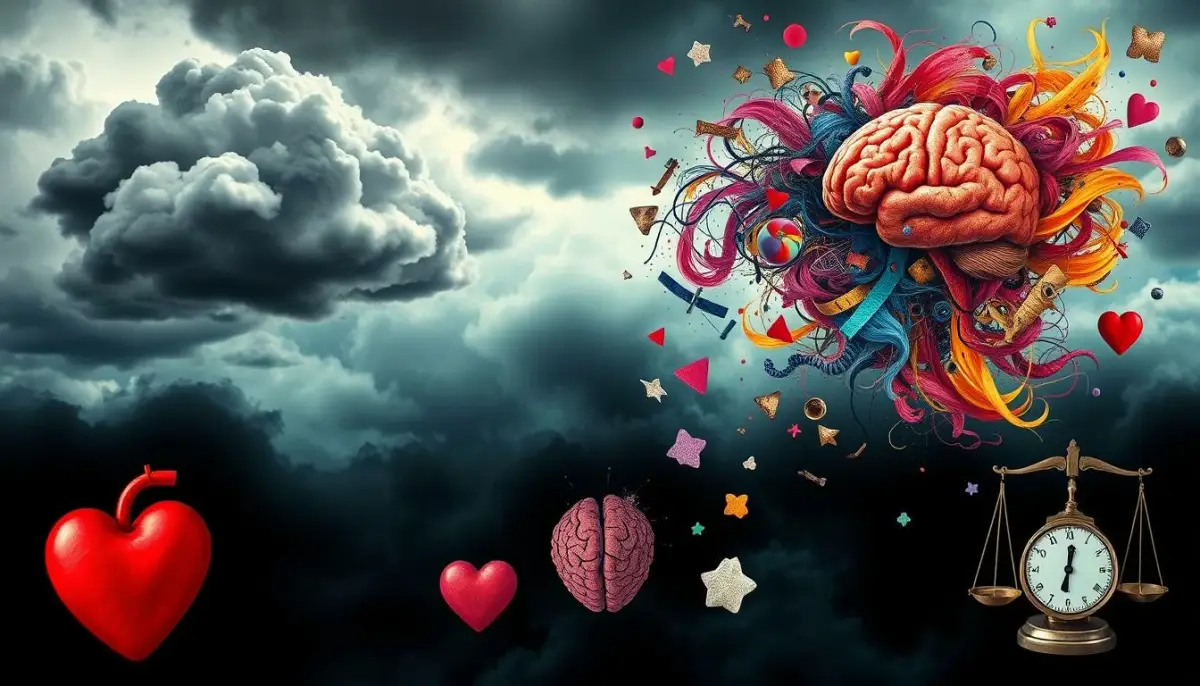

Did you know that around 90% of the world's population deals with stress ? This phenomenon, increasingly present in our fast-paced lives, can have devastating consequences for our physical and mental health. From work problems and financial difficulties to family issues and insecurities about self-esteem – the consequences of stress can have multiple causes. But do you know what the main impacts it can have on our bodies are?
Learn More
Main Consequences of Stress:
- Impacts on the cardiovascular system, with increased blood pressure and risk of heart problems 2 3 .
- Weakening of the immune system, leaving the body more vulnerable to disease .
- Negative effects on mental health, such as anxiety, distress, and difficulty concentrating 1 .
- Problems in the digestive system, such as gastritis, ulcers and other disorders 2 3 .
- Difficulty falling asleep and staying asleep, with insomnia being one of the main symptoms 1 .
Understanding these impacts is fundamental to taking care of our health holistically. In this article, we will explore each of these consequences in detail and how we can minimize the effects of stress on our lives. After all, your physical and mental well-being deserve the best attention.
Main Key Ideas:
- Stress affects approximately 90% of the world's population.
- The consequences of stress can cause cardiovascular, immune, mental, and digestive problems.
- Physical symptoms include insomnia, headaches, muscle tension, and skin problems.
- Psychological symptoms include anxiety, distress, and difficulty concentrating.
- Understanding the consequences of stress is the first step to managing it effectively.
I. Introduction
A. Definition of stress
Stress is the body's response to difficult situations. It makes us more alert, changing our body and mind . There are two types: acute stress, which is short-lived, and chronic stress , which is more common in everyday life.
B. Importance of understanding its consequences
Understanding the consequences of stress is essential for health. It can go through three phases: alarm, resistance, and exhaustion. Each phase brings its own effects on the body and mind.<sup> 4 </sup>
Studies show that work-related stress greatly affects health. Techniques such as meditation and physical activity help manage stress .
https://www.youtube.com/watch?v=WJ810aHVnGYIt is crucial to understand the stages of stress and their symptoms. This helps to identify it early and take steps to control it 4 5 .
| Alert Phase | Resistance Phase | Exhaustion Phase |
|---|---|---|
|
|
|
"Stress is a natural bodily response to challenging situations, but its effective management is essential for long-term health and well-being."
Understanding stress and its effects is crucial. This helps people cope with it and prevent health problems 4 5 .
II. What is stress and why does it occur?
Stress is a natural bodily response when we face challenges. While it's good in small doses, too much stress can harm our health .
A. Main causes of stress
Many things can cause stress, such as too much work or family problems. These situations cause the body to react, releasing hormones to help us face the challenges .
B. Types of stress: acute and chronic
There are two types of stress: acute, which is short-lived, and chronic, which lasts longer. Acute stress can be beneficial, but chronic stress is very harmful to health.<sup> 6</sup>
C. Physiological response of the body to stress
When we are stressed, the body releases hormones to help us. This increases heart rate and energy. But too much stress can cause serious problems.
"Stress is a normal physiological and behavioral response to situations that threaten or disrupt equilibrium." 6
III. The 5 main consequences of stress on the body
Chronic stress greatly affects health. It can cause heart problems, weaken the immune system, and impair mental health. It can also cause digestive problems.
1. Impact on the cardiovascular system
High blood pressure increases the risk of heart disease. Stress raises blood pressure. This is because the body releases adrenaline and cortisol when stressed .
This can lead to serious problems such as angina, heart attack, and stroke.
2. Problems with the immune system
Cortisol, released by stress, can weaken the immune system. This makes the body more susceptible to illnesses such as the flu and infections.
Chronic stress also weakens the overall immune system. This makes the body more susceptible to disease .
3. Effects on mental health
Chronic stress can worsen mental health problems. This includes depression, anxiety, and schizophrenia in predisposed individuals. <sup>7</sup>
It can also negatively affect mental health. Insomnia is one of the first symptoms of stress. It is caused by excess cortisol, which affects sleep .
4. Damage to digestive health
Stress can cause digestive problems. This includes acidity, gastritis , and reflux. Lifestyle changes and medical follow-up can help.
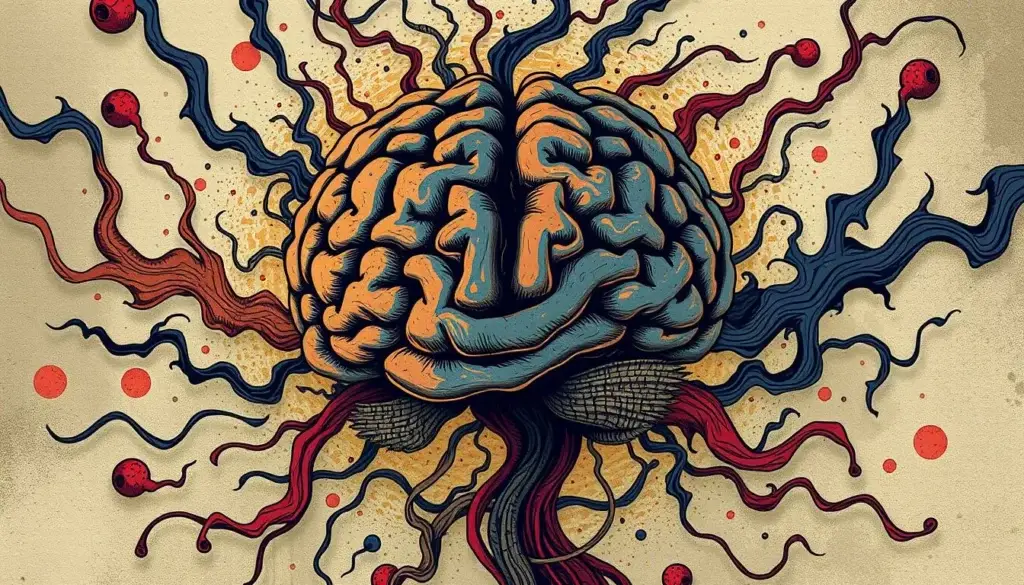
It is important to recognize the effects of stress. Adopting strategies to prevent and minimize these effects is essential. An approach that takes care of both physical and mental health helps maintain balance .
IV. How to minimize the effects of stress
Dealing with stress requires various approaches. This includes management techniques, a healthy lifestyle, and psychological support. Although stress is common, there are ways to reduce its negative effects on health.
A. Stress management techniques
Regular physical exercise can lower cortisol, the stress hormone. It also increases endorphins, hormones that feel good 9. Meditation and mindfulness also help to reduce anxiety and bring mental tranquility 10 .
B. Importance of physical activity and mindfulness
Studies show that 30 minutes of exercise a day helps control cortisol. They also increase endorphins, improving well-being 9. Meditation and mindfulness reduce anxiety by focusing on the present moment 10 .
C. Psychological and social support
When stress levels are very high, seeking specialized help is essential. This includes psychiatrists or psychologists, avoiding self-medication 9. Having a social support network and leisure time are also crucial for well-being 10 .
Adopting a holistic approach is key. This involves stress management, healthy habits, and psychological support. This approach helps minimize the effects of stress and promotes a better lifestyle.
"The key to managing stress is finding a healthy balance between life's demands and the resources available to cope with them."
V. Conclusion
A. Reinforcing the importance of taking care of mental and physical health.
Taking care of mental and physical health is crucial to avoid the negative effects of stress . Stress can greatly affect health, from the heart to the mind . It is important to recognize the signs of stress early and seek help.
B. Call to action: seek help when needed.
Stress doesn't show weakness, but rather the need for care . Professionals under pressure, such as doctors and journalists, can suffer from burnout. Using relaxation techniques greatly helps with well- being .
Don't be afraid to seek psychological help if stress is weighing you down. Together, we can create a happier and more balanced life.
Simple Practices to Reduce Anxiety
- Conscious breathing: Inhale counting to 4, hold for 4, and exhale for 4. It's magic!
- Physical exercise: Get moving! Walking or yoga can help relieve tension.
- Digital disconnection: How about taking a break from social media and focusing on the present?
- Establish a routine: Organizing your day reduces that feeling of chaos.
- Seeking help: Therapy is a compass to finding balance.
Why is Seeking a Therapist Important?
It's like having a guide on an unfamiliar trail. A therapist can help you better understand your feelings, find practical solutions, and develop a more balanced life. Asking for help is not a sign of weakness; on the contrary, it's an act of courage and self-care. Sometimes, dealing with anxiety alone feels like a labyrinth with no way out. A therapist can be the guide you need to transform burden into learning and reclaim the lightness of living. It's not a sign of weakness, it's an act of courage and self-care.A Path to Inner Peace
Dealing with anxiety isn't easy, but it's possible. You're not alone on this journey. How about taking the first step? Learning to control your anxiety is possible, and you deserve this peace. Start taking care of your mental health now and discover a new way of living. Click here Fabio Morus Therapist to schedule a free 20-minute session.FAQ
What is stress and why is it a health concern?
Stress is the body's response to difficult situations. It puts the body on alert, altering both body and mind. Constant stress can cause serious problems, affecting the heart, immune system, mind, and stomach.
What are the main types of stress?
There are two main types: acute stress, which is strong and short-lived, and chronic stress, which is more common and mild.
What are the 5 main consequences of stress on the body?
The consequences of stress are: 1. It affects the heart, increasing the risk of disease. 2. It weakens the immune system, making the body more susceptible to illness. 3. It can cause mental health problems, such as depression and anxiety. 4. It affects the stomach, causing problems like gastritis and irritable bowel syndrome. 5. It can impair sleep and memory.
How can we minimize the effects of stress?
To reduce stress, it's important to: - Exercise regularly - Practice mindfulness and meditation - Eat well - Seek psychological help - Set boundaries - Do things you enjoy - Have a good group of friends
Why is it important to take care of mental and physical health to prevent the effects of stress?
Taking care of your mental and physical health is crucial to avoid the effects of stress. Recognizing the signs and seeking help is essential. The consequences of stress are not a sign of weakness, but a condition that needs attention.
🌟 Have you considered seeking a therapist to support your well-being journey?
If this article sparked reflections about positive changes in your life, perhaps now is the ideal time to take the next step. Do you know hypnosis as a therapeutic tool? This approach can be surprisingly effective for various personal challenges.
Special offer: Book a free 20-minute consultation with therapist Fabio Morus and discover how therapy can transform your life.
✨ No commitment — Completely free — 20 minutes that can make a difference
👉 Click here to book your free consultation
Don't postpone your well-being any longer. The first step to change is just one click away.